
Bread Mold Experiment for Kids: A Simple 5-Day Science Activity
Are you looking for a science experiment that is simple to prepare but still gives young learners plenty to observe, discuss, and record? A bread mold experiment is an engaging way to introduce children to fungi, decomposition, food safety, and the scientific method. Using just a few familiar materials, students can investigate how moisture and other environmental conditions affect mold growth.

Learning About Soil Animals Through Coloring
These soil animals coloring pages for Grades 2–3 help children explore this hidden world through detailed illustrations, observation, coloring, labeling, comparing, and simple science discussions.

Painting with Soil:
A Hands-On Soil Science and Natural Pigment Art Activity for Grades 2–3

Easy Window Bean Germination Experiment for Grades 2-3
That is why the window bean germination experiment is an absolute game-changer for elementary classrooms!

An NGSS-Aligned Soil Jar Experiment
The investigation gives young scientists an opportunity to make predictions, carry out a hands-on test, record observations, identify patterns, and use evidence to explain their results.
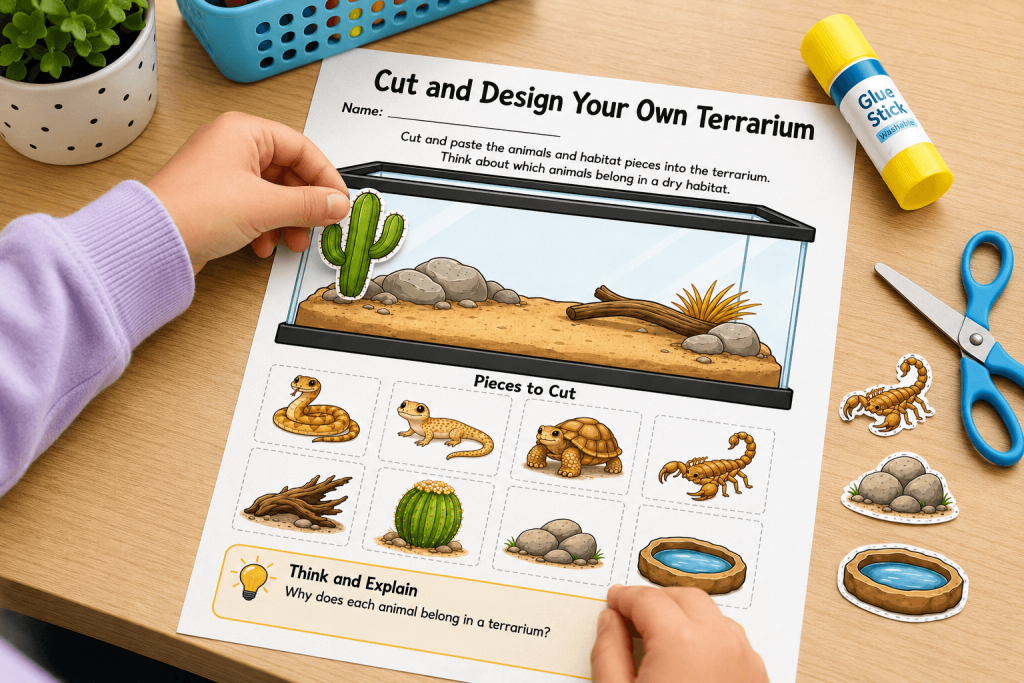
Build Your Own Animal Habitat in the Classroom or at Home
The world of snakes, chameleons, turtles, and the popular axolotl fascinates them. But how can we help them understand what these living creatures need to survive? The answer: through fun, hands-on, experiential learning!
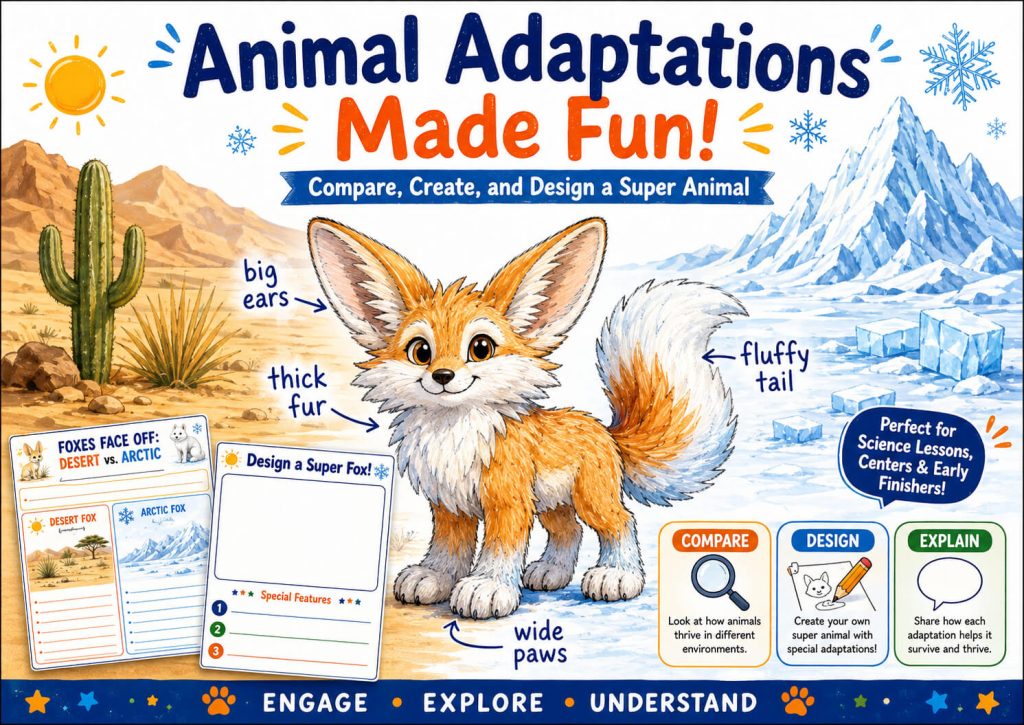
Animal Adaptations Made Fun!
This “Design a Super Fox!” activity is a fantastic, hands-on way to introduce elementary students (K–3) to how animals adapt to survive in extreme environments—specifically the scorching desert and the freezing Arctic.

Design an Alien Animal STEM Activity!
By combining science, critical thinking, and creativity, this “Design an Alien Animal” activity takes kids on an exciting mission to a fictional ice world called Gliese-8

A Simple Leaf Chromatography Experiment for Kids
Leaf chromatography is a hands-on STEM activity where students use rubbing alcohol and filter paper to separate the hidden pigments inside a green leaf.

Pine Cone Weather Station Science Experiment
Turn an ordinary pine cone into a fascinating natural moisture indicator! In this hands-on science experiment, students investigate how the scales of a mature pine cone respond to wet and dry conditions.

Teaching Soil as a Natural Resource with an Earth as an Apple Investigation
One of the challenges of teaching soil as a natural resource is helping young learners understand scale. Students can see soil almost everywhere around them, so the idea that productive soil and suitable farmland are limited may seem surprising.
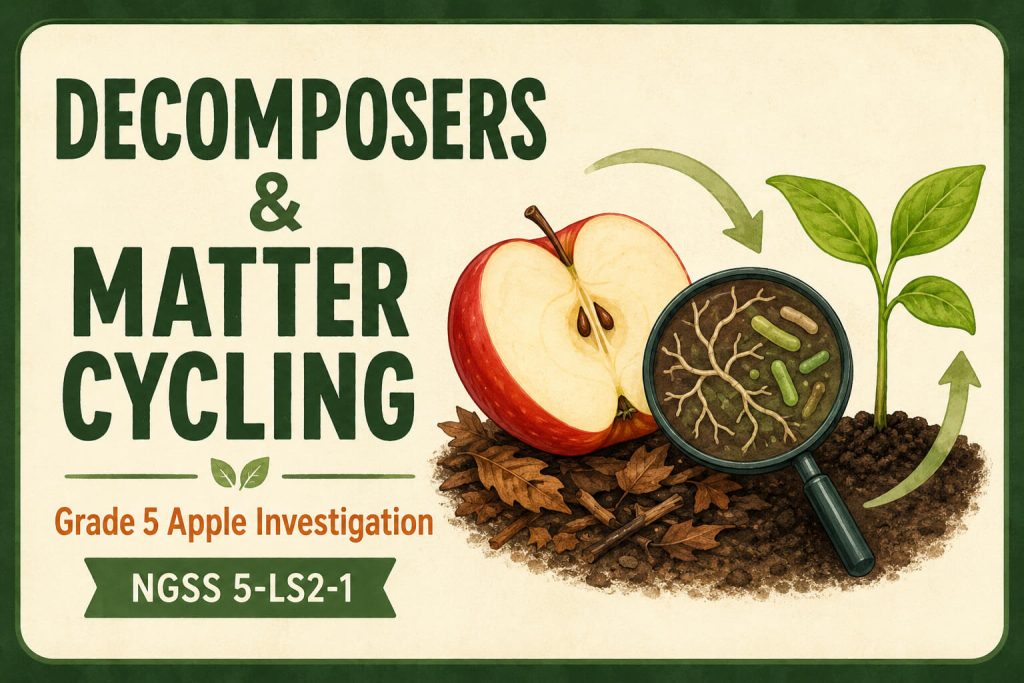
Teaching Decomposers and Matter Cycling in Grade 5: A Simple Apple Investigation
With one familiar object, students can investigate microbes, environmental conditions, fair testing, data collection, graphing, scientific models, and the conservation of matter.

Cactus Adaptations STEM Experiment
How can a cactus survive for weeks—or even months—with very little rain? One important adaptation is its waxy outer covering, called a cuticle. This thin protective layer helps slow water loss from the plant’s surface.
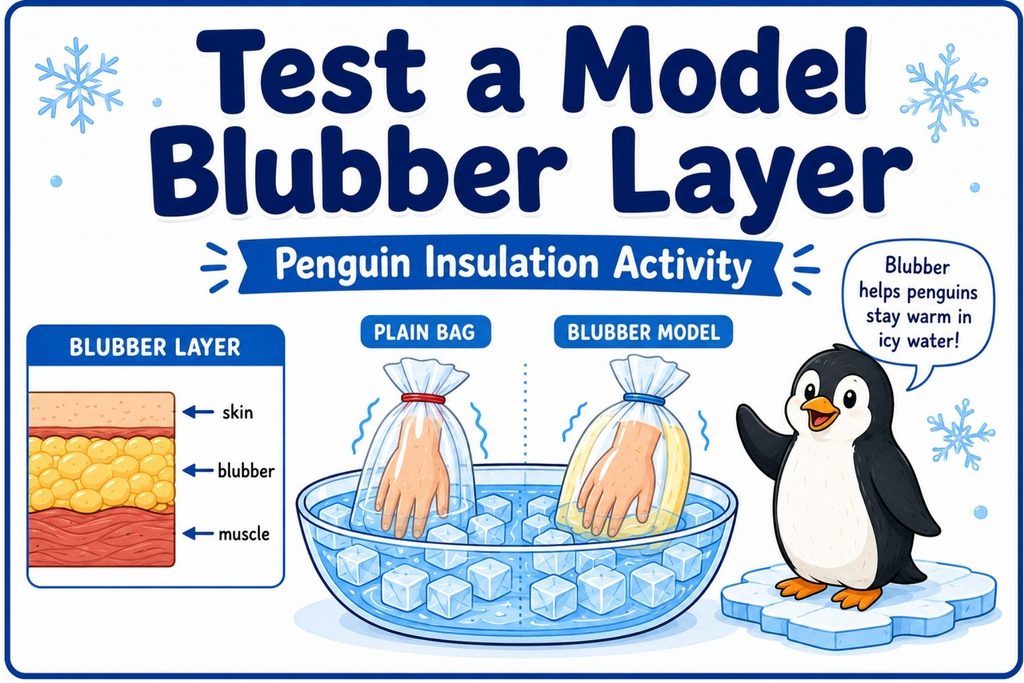
Test a Model Blubber Layer
The resource introduces blubber as a thick layer of fat under the skin and includes a diagram showing the basic layers of skin, blubber, and muscle.

Tomato Plant Light Experiment: What Happens Without Light?
Try this simple tomato plant light experiment to show elementary students what happens when a leaf receives no sunlight for one week.
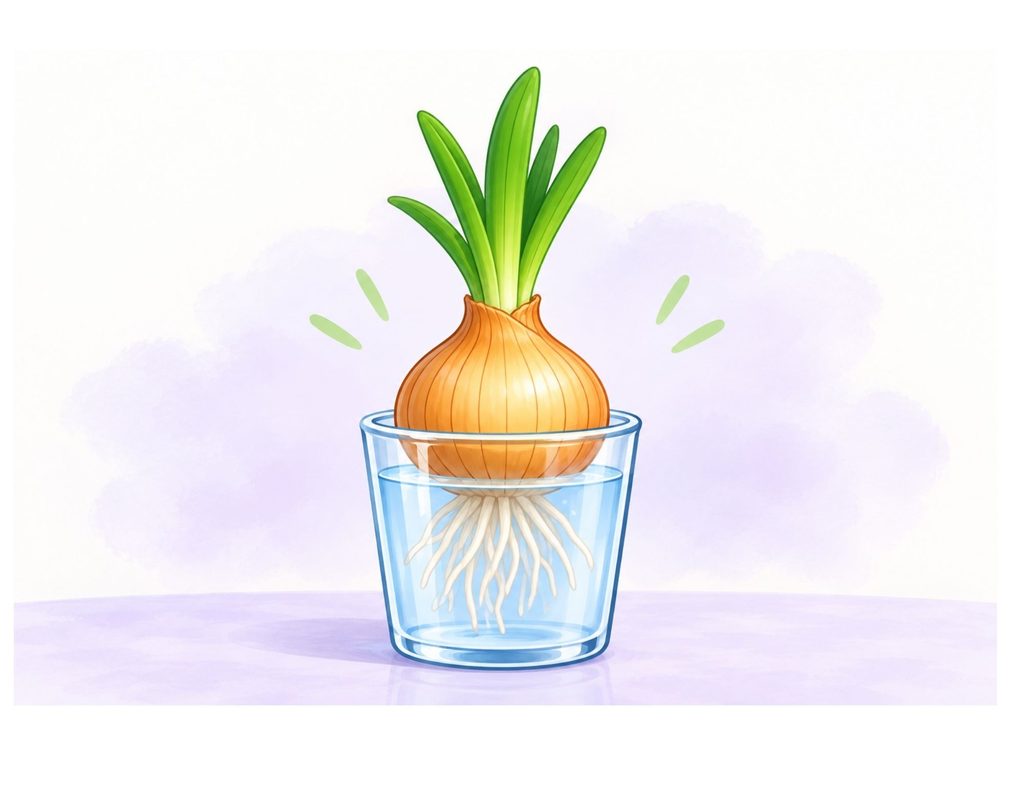
Onion growth experiment for kids with onion bulb growing roots in water
You do not need a complicated lab setup to help young students think like scientists. Sometimes, one onion, a clear cup, and a little water are enough.