With free mini game

Spring and summer are the perfect seasons to dig into science! If you teach Kindergarten, 1st, or 2nd grade, a plant life cycle unit is likely a staple in your curriculum.
Most young students know the basic story: you plant a little seed in the dirt, water it, and a flower grows. But nature is full of surprises! What about the potatoes we eat? What about the strawberries creeping across the garden, or the tulips bursting through the soil after a long winter?
If we only teach the traditional “seed-to-plant” cycle, we miss out on a massive opportunity to spark curiosity.
In this post, we’re breaking down 4 different ways plants grow and reproduce—using seeds, runners, tubers/bulbs, and spores. Plus, I’ll show you how to easily integrate hands-on sequencing activities for all 19 of these unique plant cycles in your classroom!
What Is a Plant Life Cycle?
A plant life cycle shows how a plant grows and changes over time. Many plants begin with seeds, but plants can also reproduce or spread in other ways. Strawberries can form new plants from runners, potatoes can grow from tubers, tulips can grow from bulbs, and ferns reproduce with spores.
For young learners, comparing these different examples is a simple way to show that not all plants grow in exactly the same way.
1. The Classic Route: Plants from Seeds
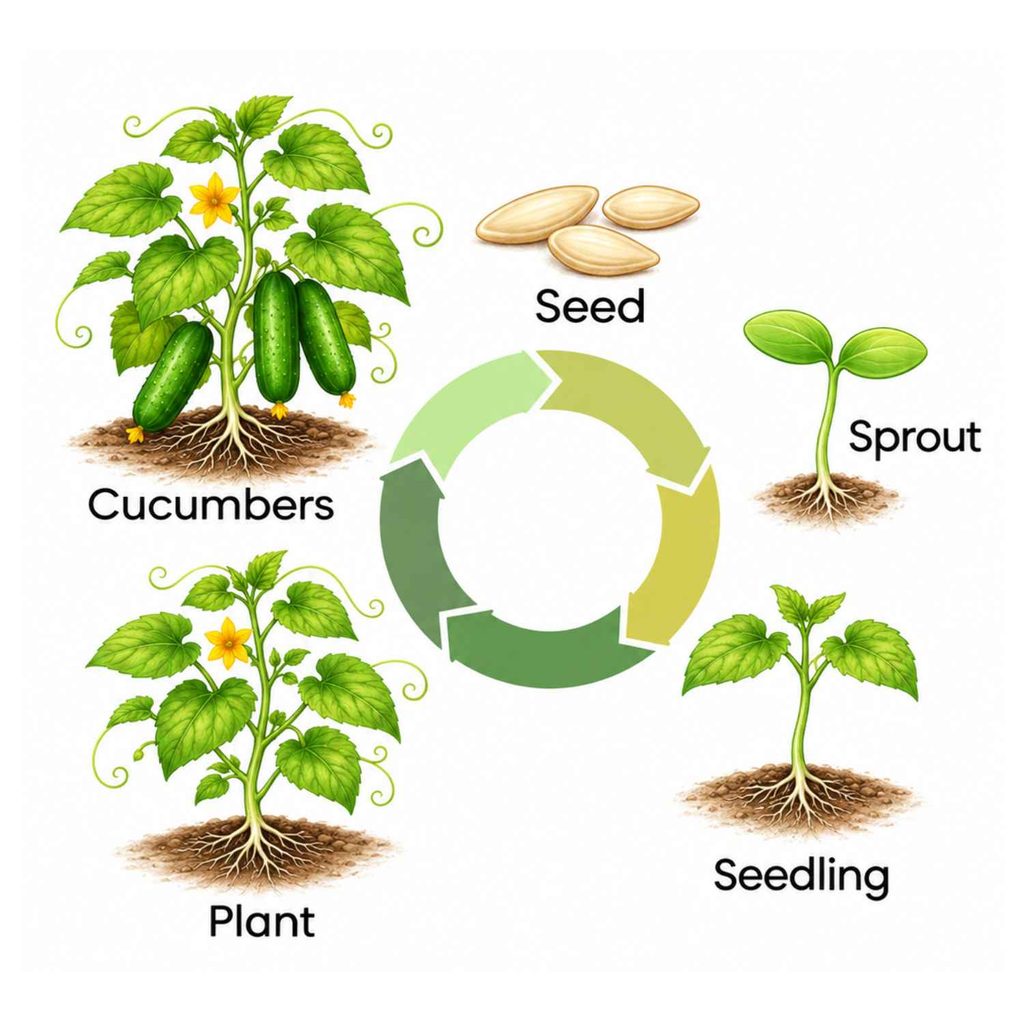
Let’s start with what’s familiar. Teaching life cycles with seeds is perfect for practicing fundamental science vocabulary like germination, seedling, and pollination.
- Fast & Fun Veggies: Plants like Beans, Peas, and Corn are classroom favorites because their seeds are large, easy for little hands to hold, and sprout incredibly fast.
- The Fruit & Flower Favorites: Tomatoes, Cucumbers, Pumpkins, and Watermelons offer a wonderful visual of how a flower transforms into a fruit containing more seeds.
- Read more: https://lolliartscience.com/2026/09/26/apple-life-cycle-for-kids/
The Long Games (Trees): Show students that life cycles don’t just take a few weeks. Apple Trees and Cherry Trees help K-2 students understand the concept of seasons and long-term growth. Make Plant Life Cycles Easy to Teach Ready-to-use sequencing, labeling, and science activities for young learners.https://www.teacherspayteachers.com/Product/Garden-Plant-Life-Cycle-Bundle-Lettuce-Bean-Pepper-Cucumber-Broccoli-16040845
2. Spreading Out: Plants with Runners

Kids love the concept of “creeping” plants. Introduce them to the idea that some plants can clone themselves by reaching out across the soil.
- The Strawberry Life Cycle: Instead of just growing from a seed, a strawberry plant sends out long, horizontal stems called runners (or stolons). Wherever these runners touch the ground, they grow new roots and a a new plant can begin to grow!
- Teacher Tip: Bring a strawberry runner into the classroom or show a quick video clip. Students will be fascinated by how the mother plant “walks” to make new friends.
- Read more: https://lolliartscience.com/2026/08/24/strawberry-life-cycle-seeds-runners/
Need a Ready-to-Use Resource? https://www.teacherspayteachers.com/Product/Plant-Reproduction-Bundle-Pumpkin-Tulip-Strawberry-Seeds-Bulbs-Runners-16003309
3. Secrets Under the Soil: Tubers and Bulbs
This is where science feels like a magic trick. K-2 students are always amazed to learn that the vegetables they love to eat actually grow underground in unique ways.
- Potato Life Cycle (Tubers): A potato is a tuber—an underground stem that stores food. The “eyes” on a potato can grow into new shoots and eventually form a new potato plant. Teach your students about the “eyes” of a potato and how a single leftover potato can sprout an entire new plant underground.
- Onion & Tulip Life Cycles (Bulbs): Bulbs are like nature’s ultimate batteries. They store energy underground all winter long. Teaching the Tulip or Onion cycle is a great way to talk about plant survival and dormancy.
Ready-to-Use Activities : https://www.teacherspayteachers.com/Product/Potato-Life-Cycle-Activities-Plant-Science-Worksheets-Vegetable-Life-Cycle-15994126

4. No Seeds Allowed: Plants with Spores
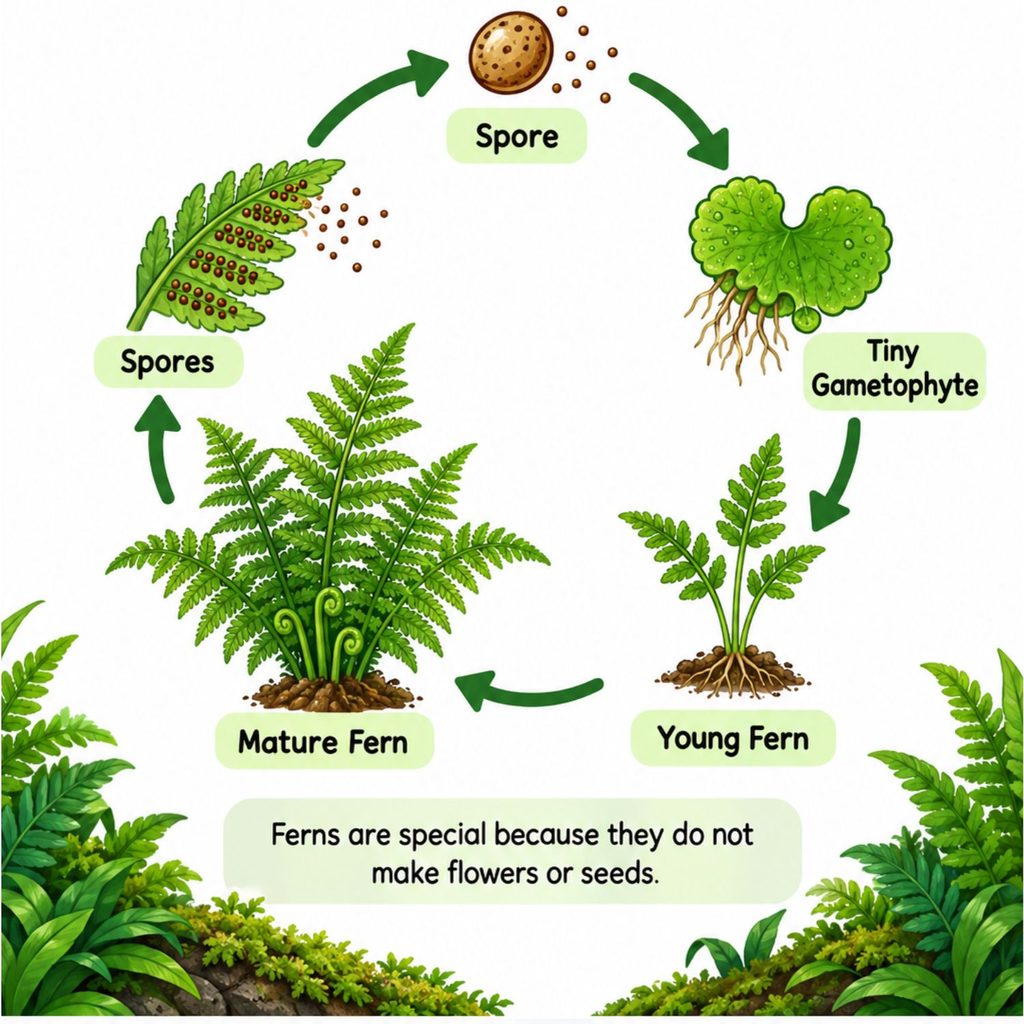
Do you want to blow your students’ minds? Introduce them to a plant that has been around since the dinosaurs and doesn’t use seeds at all.
- The Fern Life Cycle: Ferns reproduce using tiny spores. Many ferns produce spores in small clusters on the underside of their fronds.
Teach It the Easy Way: https://www.teacherspayteachers.com/Product/Fern-Life-Cycle-Worksheets-Plant-Life-Cycle-Spores-Cut-and-Paste-Science-16044849
Teacher Note: Many plants can reproduce in more than one way. These examples focus on one common way each plant can grow or reproduce, making the concept easier for young learners to compare.
How to Bring These Cycles to Life in Your Classroom
Managing 19 different plant life cycles sounds overwhelming—but it doesn’t have to be. To keep your science centers engaging and low-prep, it helps to use consistent, predictable routines.
Here is how you can use differentiated activity packs to hit your science standards:
- For Fine Motor Skills: Use Cut-and-Paste Sequencing Activities. Cutting out the stages of a Pumpkin or Carrot life cycle forces students to critically think about what happens next before gluing it down.
- For Budding Writers: Pair Labeling Activities with Writing Pages. Have students label the parts of a Tomato cycle, and then write one sentence using transition words (First, Next, Then, Last).
- For Quick Assessment: Wrap up the week with a 3-to-4 question Mini Quiz to ensure your Kindergarteners or 1st graders grasped the core concepts.
🌟 Grab the Complete Plant Life Cycle Bundle!
Want all 19 of these life cycles ready to print and go? Check out my [Insert Your Bundle Name / Link Here]. It includes comprehensive activity packs for everything from Apples to Ferns, complete with diagrams, matching games, and black-and-white pages for easy coloring!

After exploring these different plant life cycles, students can practice sorting what they have learned with this simple hands-on activity.
Free Plant Life Cycle Cut & Paste Activity
Looking for a simple way to review how different plants grow and reproduce? This free Plant Match-Up activity gives students a hands-on way to sort familiar plants by seeds, runners, bulbs and tubers, or spores.
Students cut out the plant cards, decide which category each plant belongs to, and glue them into place. It works well as a science center, lesson review, early finisher activity, or companion to a plant life cycle unit.
Download the Free Plant Match-Up Activity
FAQ
No. Many plants grow from seeds, but plants can also reproduce or spread using structures such as runners, bulbs, tubers, or spores.
Beans, sunflowers, pumpkins, strawberries, potatoes, tulips, and ferns give students a useful variety of plant growth and reproduction examples.
Sequencing, labeling, matching, and cut-and-paste sorting activities work well because students can visually compare the stages and structures of different plants.

Make plant science exciting with this 120-page workbook designed for kids ages 7–9 (Grades 2–3)! Explore plant parts, life cycles, photosynthesis, and how plants grow through engaging reading passages, hands-on activities, coloring pages, puzzles, and science challenges. Build science knowledge while encouraging curiosity, observation, and critical thinking.