Have you ever looked at a giant oak tree and wondered how it started?
Or thought about how a tiny tomato seed can eventually grow into a plant covered with juicy tomatoes? It may seem surprising, but many of the plants around us begin life as a tiny seed.
Seeds may look small, dry, and almost lifeless, but inside each one is everything a young plant needs to get started. Reproducing by seeds is one of the ways plants create new generations and spread to new places.
Let’s take a closer look at how it works.

What Is Inside a Seed?
A seed is much more than a tiny object waiting in the soil.
Think of it as a little plant backpack packed for a journey.
Inside most seeds are three important things:
- a tiny developing plant called an embryo
- a supply of stored food
- a protective outer covering called the seed coat
The stored food helps the young plant during its first stages of growth, before it can make enough of its own food through photosynthesis.
The seed coat works like a protective jacket. It helps protect the embryo from damage and from drying out too quickly.
Many seeds can also remain dormant, or inactive, until conditions are suitable for growth.
That means a seed does not always have to start growing immediately after it forms.
It can wait.
Seeds and Spores Are Not the Same
Seeds are not the only way plants reproduce.
Plants such as mosses and ferns reproduce using spores instead of seeds.
A seed contains a multicellular embryo and usually a supply of stored food. A spore is much simpler and does not contain a developing plant with its own food supply.
Both seeds and spores help organisms reproduce and spread, but they do it in different ways.

How Do Plants Reproduce by Seeds?
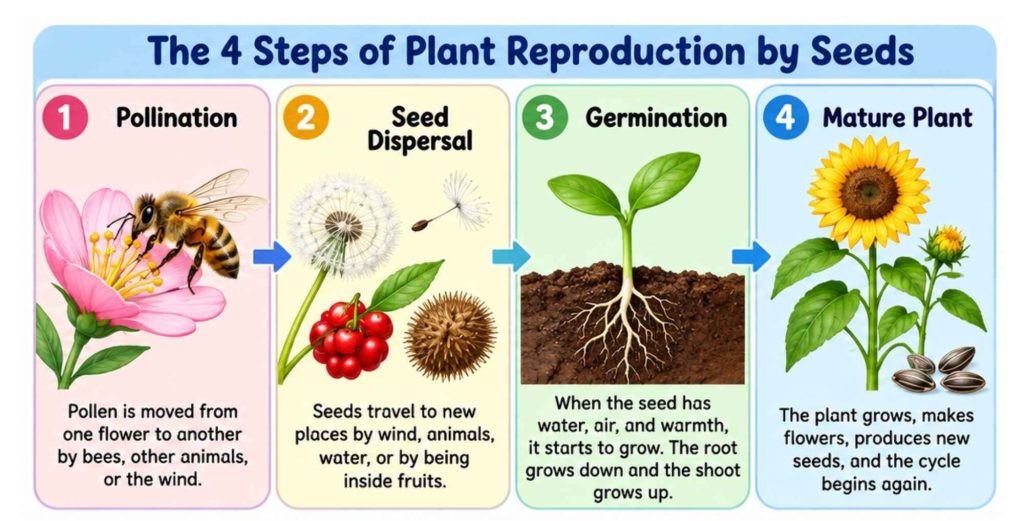
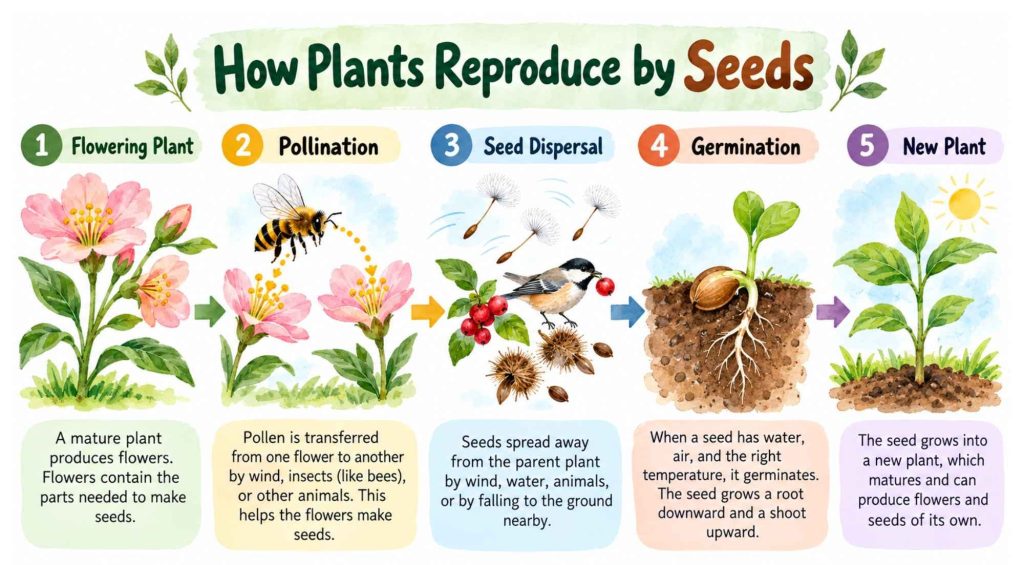
The journey from an adult plant to a new plant can be divided into a few important stages.
1. Flowering, Pollination, and Seed Formation
For flowering plants, the process often begins with a flower.
Flowers contain the reproductive structures that allow the plant to make seeds.
During pollination, pollen is moved from the male part of a flower to the female part of a flower.
Pollination can happen in several ways.
Bees, butterflies, moths, birds, and other animals can carry pollen between flowers. Wind can also move pollen from one flower to another.
After pollination, fertilization can occur. The ovules inside the flower can then develop into seeds.
In many flowering plants, the ovary of the flower develops into a fruit that surrounds or holds the seeds.
That is why fruits such as apples, tomatoes, pumpkins, and berries contain seeds inside them.
2. Seed Dispersal: The Journey Begins
Imagine if every seed produced by a plant simply dropped directly underneath it.
Soon, hundreds of young plants could be competing for the same sunlight, water, nutrients, and space.
Instead, plants have many clever ways of spreading their seeds.
This process is called seed dispersal.
Some seeds travel by wind.
Dandelion seeds have light, fluffy structures that allow them to float through the air.
Other seeds travel with animals.
Some have hooks that catch onto fur, while others are hidden inside fruits that animals eat. The seeds may later be carried to a completely different location.
Some seeds even travel by water.
Seed dispersal helps new plants grow farther away from the parent plant
3. Germination: The Seed Wakes Up
Eventually, a seed may land in a place where conditions are right for growth.
This is when germination can begin.
Most seeds need:
- water
- oxygen
- a suitable temperature
The seed absorbs water and begins to change.
Usually, the first structure to emerge is the young root.
The root grows downward and begins absorbing water and minerals from the soil.
Next, the young shoot grows upward.
Soon, the first leaves appear.
Once the plant has leaves, it can begin making its own food using sunlight through the process of photosynthesis.
The tiny seedling is now on its way to becoming a mature plant
4. Growing Into a Mature Plant
The seedling continues to grow.
Its roots become larger, its stem gets stronger, and it produces more leaves.
Eventually, if it is a flowering plant, it may become mature enough to produce flowers of its own.
Those flowers can be pollinated.
New seeds can form.
And the entire process begins again.
Seed → Seedling → Mature Plant → Flower → New Seeds
This repeating process is part of the plant’s life cycle

Why Are Seeds So Important?
Seeds help plants survive, reproduce, and spread to new habitats.
Their protective seed coats help protect the developing embryo, while stored food provides energy for the young plant during its earliest growth.
Different plants also produce seeds with different shapes, sizes, and adaptations.
Some are tiny and light enough to travel through the air.
Others are large and packed with stored food.
Some float.
Some stick to animals.
Some are protected inside fruits.
Each seed tells us something about how that plant survives and reproduces.
.
Try This Simple Seed Investigation
You can explore seeds without any special science equipment.
Find three different kinds of seeds at home or in your classroom.
You might try:
- a bean
- an apple seed
- a pumpkin seed
Place them next to one another and observe them carefully.
Ask:
Which seed is the largest?
Which is the smallest?
What shape is each seed?
Are the seed coats the same color?
How do you think each seed might travel to a new place?
Then think about one final question:

Do all of these seeds grow into new plants in exactly the same way?
Seeds may share the same basic job, but the plants they grow into can have very different life cycles.
That is one of the fascinating things about the plant world.
A tiny seed is not the end of a plant’s story.
It is the beginning of a new one.
Want to make seed-to-plant life cycles easier to teach? Explore these ready-to-use resources featuring sequencing, labeling, cut-and-paste activities, and other kid-friendly ways to learn how plants grow from seeds.

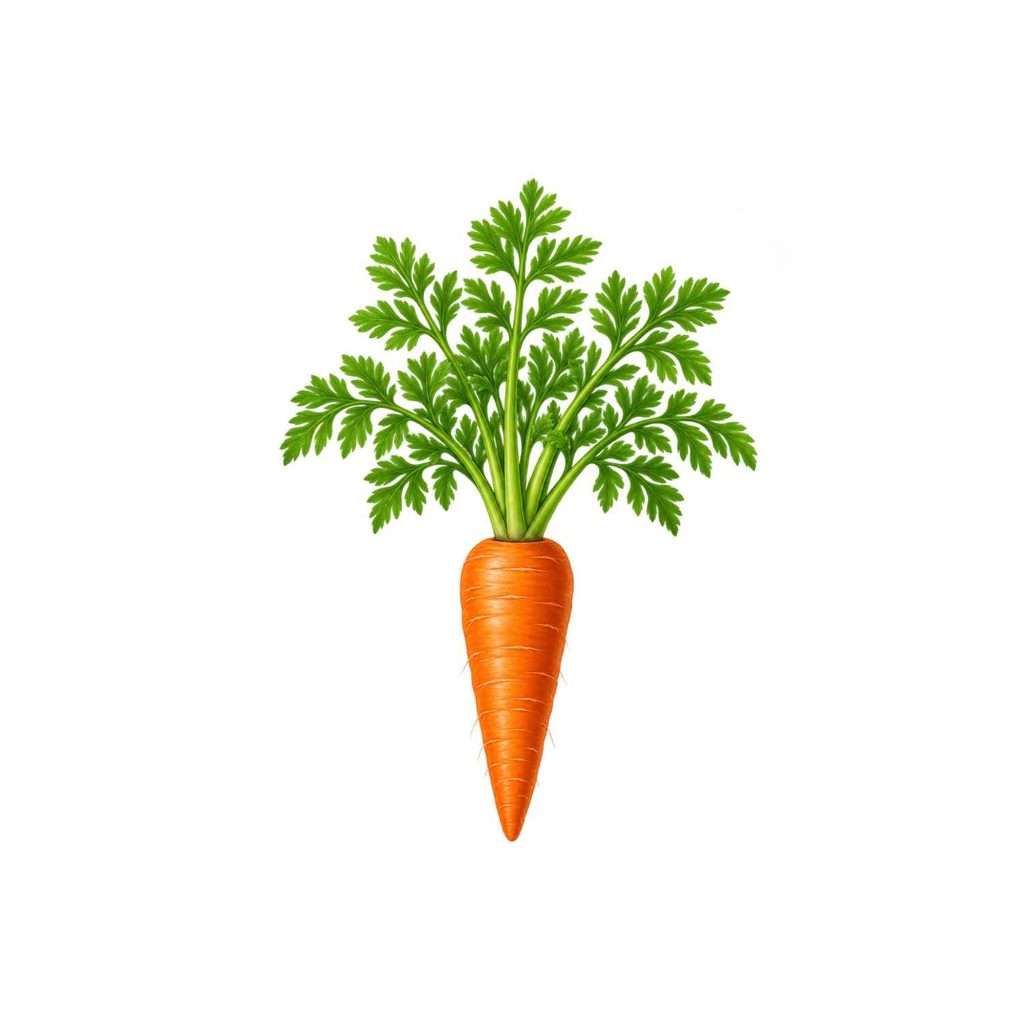
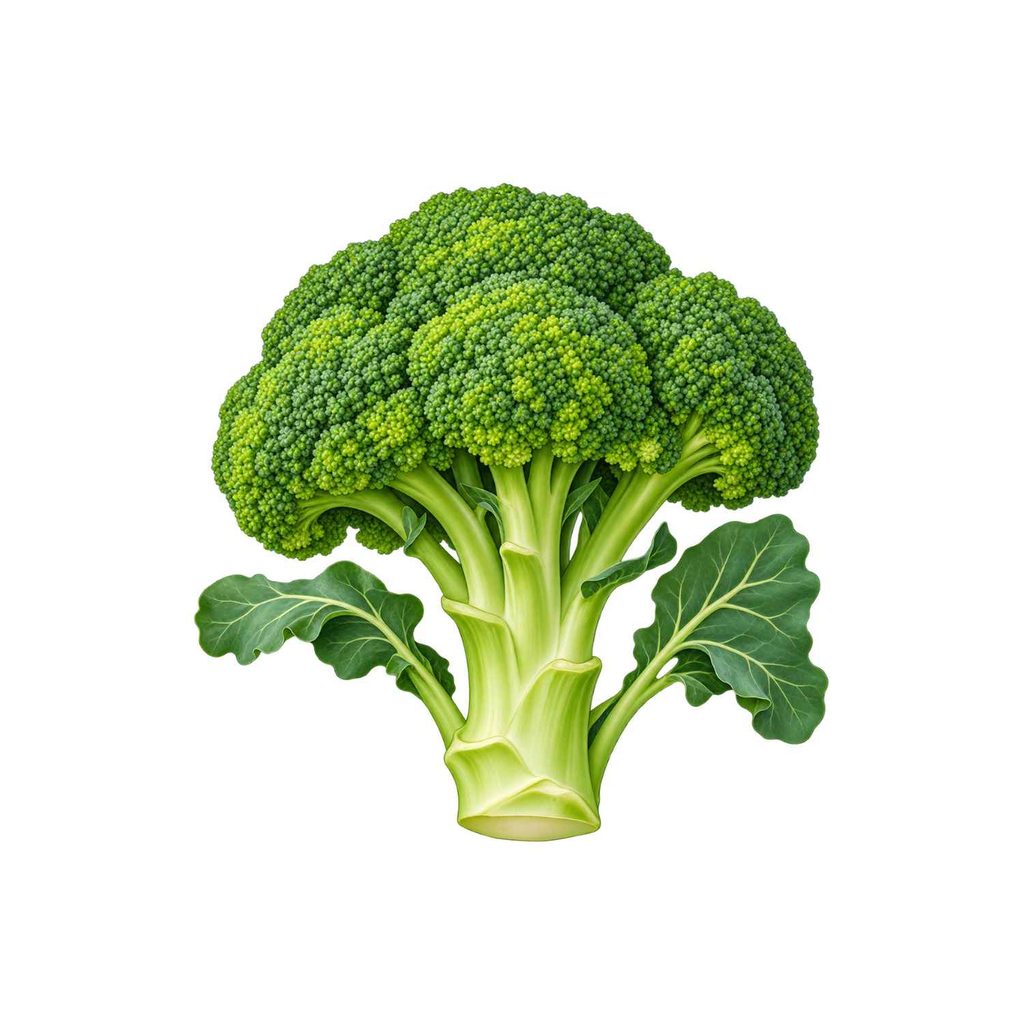





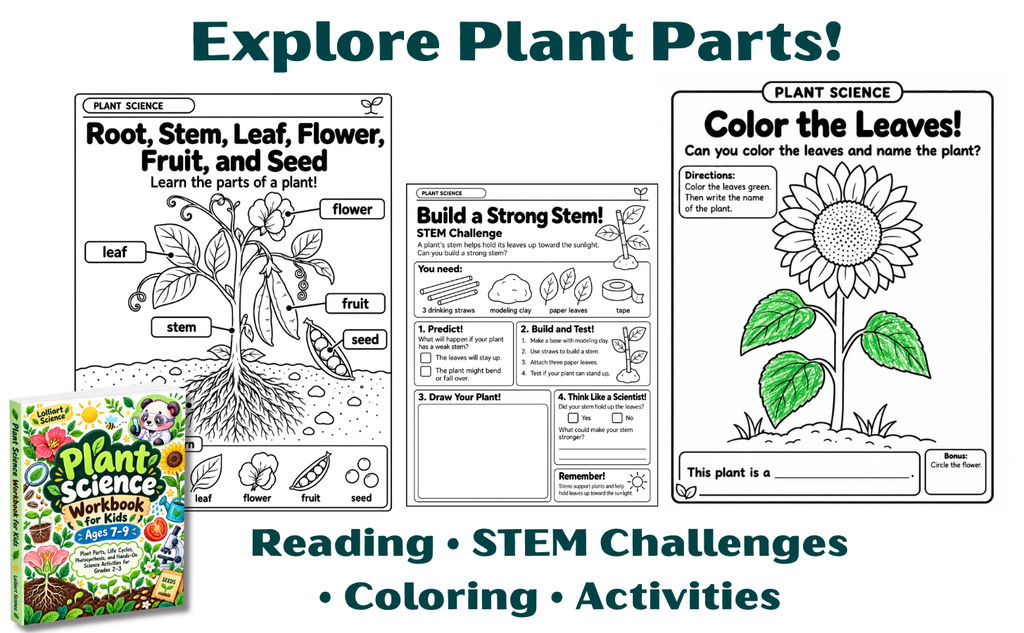
Discover how roots, stems, leaves, and flowers help plants grow! Through illustrated worksheets, creative STEM challenges, and coloring activities, children ages 7–9 can explore plant structures and their functions while developing observation, problem-solving, and science skills.